Find a Location

The “Fitness Tracker” in Your Ear: Why Hearing Aids are the New Health Wearables
It’s 2026, and your hearing aids are doing a lot more than just helping you hear.
If you walk along the path in Bonelli or through a park in Norco, you’ll see plenty of Southern Californians wearing smartwatches and fitness rings to track their health. But there is a more discreet, more powerful health monitor gaining popularity: The AI Hearing Aid.
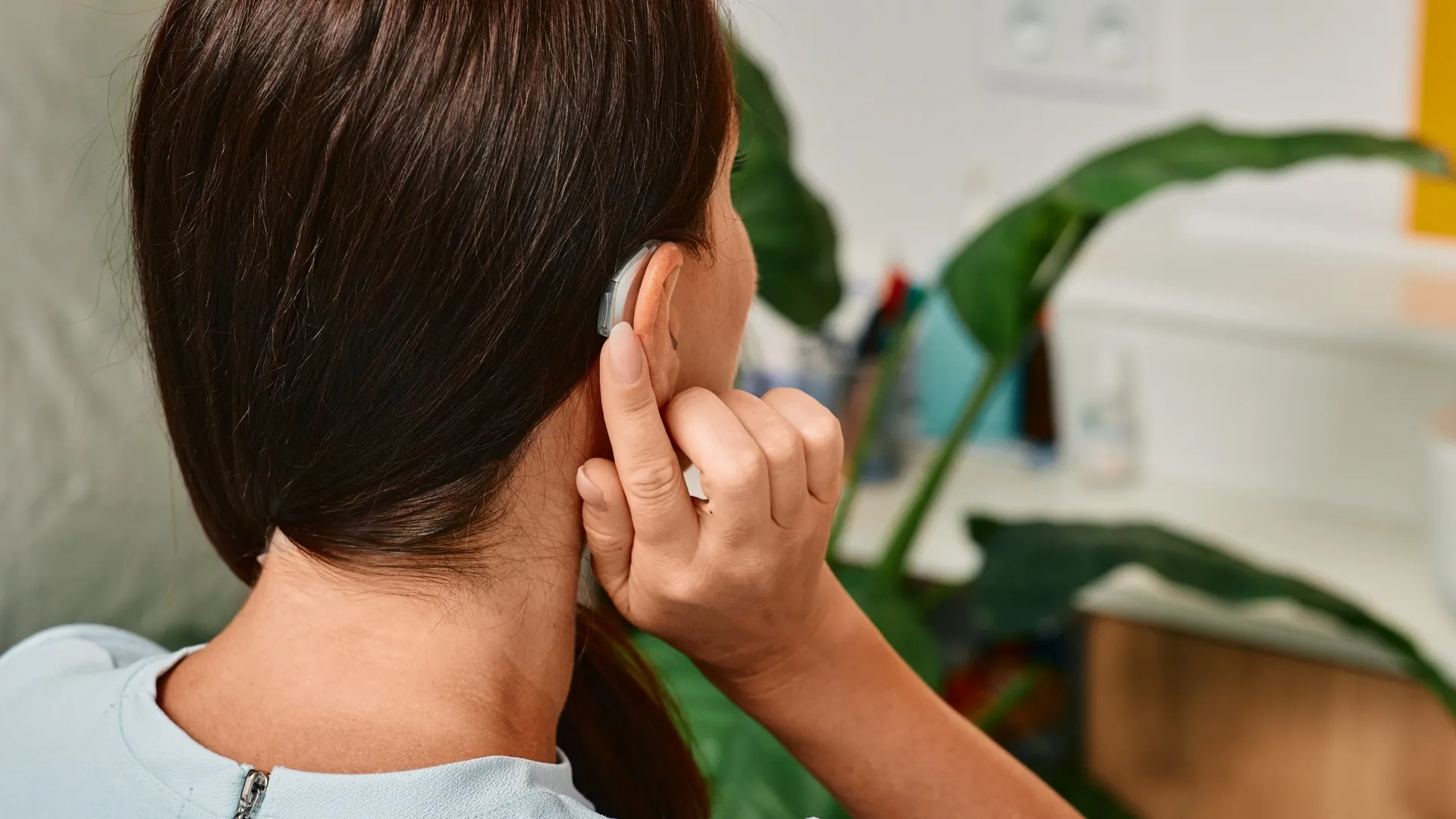
At Drhear, we are seeing a shift in how our patients view their devices. In 2026, hearing aids have officially become “ear-worn health assistants.” Because they sit securely in your ear canal—a prime spot for monitoring vital signs—they are often more accurate than wrist-based trackers.
More Than a Step Counter
While your hearing aids are helping you catch every word of a conversation at a busy Newport Beach café, they are also working in the background to monitor your physical well-being.
- Precision Activity Tracking: Using 3D accelerometers and AI, your hearing aids track your daily steps, movement intensity, and even “social engagement” (the amount of time you spend talking with others).
- Heart Rate Monitoring: Many 2026 models now feature clinical-grade biometric sensors that monitor your heart rate and recovery. Unlike a watch that can slip during a workout, the ear canal provides a stable, consistent reading of your pulse.
Brain Health Scores: Research has shown a strong link between hearing and cognitive health. Many AI apps now provide a “Wellness Score” that combines your physical activity with your “listening effort,” helping you stay mentally sharp.
The Ultimate Safety Net: Automatic Fall Detection
For active SoCal seniors, independence is everything. Whether you’re gardening in Riverside or walking the hills of San Dimas, the fear of a fall shouldn’t hold you back.
How it works: 2026 AI hearing aids are equipped with sophisticated “fall-detecting” algorithms. Because the head is the most stable part of the body, these sensors are incredibly accurate at distinguishing between a “controlled” movement (like sitting down quickly) and an accidental fall.
- Detection: The AI identifies a sudden change in orientation and impact.
- Verification: A voice prompt in your ear asks, “I detected a fall. Are you okay?”
- The Alert: If you don’t respond within 60 seconds, the hearing aid uses its Bluetooth connection to your smartphone to automatically send a text message to up to three family members or emergency contacts.
- GPS Guidance: The alert includes your exact GPS coordinates, so help can find you immediately, even if you are out on a trail or at the grocery store.
Why the Ear is Better for Ear Hygiene and Health
We often talk about ear hygiene in terms of keeping your devices clean, but in 2026, ear hygiene also means monitoring the “health environment” of your ear. These smart sensors can even alert you if they detect unusual moisture or temperature changes in the ear canal, helping you stay ahead of potential infections.
Peace of Mind for You and Your Family
The best part of this technology isn’t just the data—it’s the connection. Many of our Drhear patients find that their adult children feel much more at ease knowing that “Dad’s hearing aids” will let them know if he’s staying active or if he needs help.
It’s not just a hearing aid; it’s a lifestyle upgrade that keeps you safe, active, and connected to the people you love.
Ready to Upgrade Your “Health Wearable”?
At Drhear, we carry the latest 2026 models from manufacturers like Starkey and Phonak that feature these life-saving health tools. Come in for a demonstration and see how your hearing health and heart health can work together.
Back to Blog